
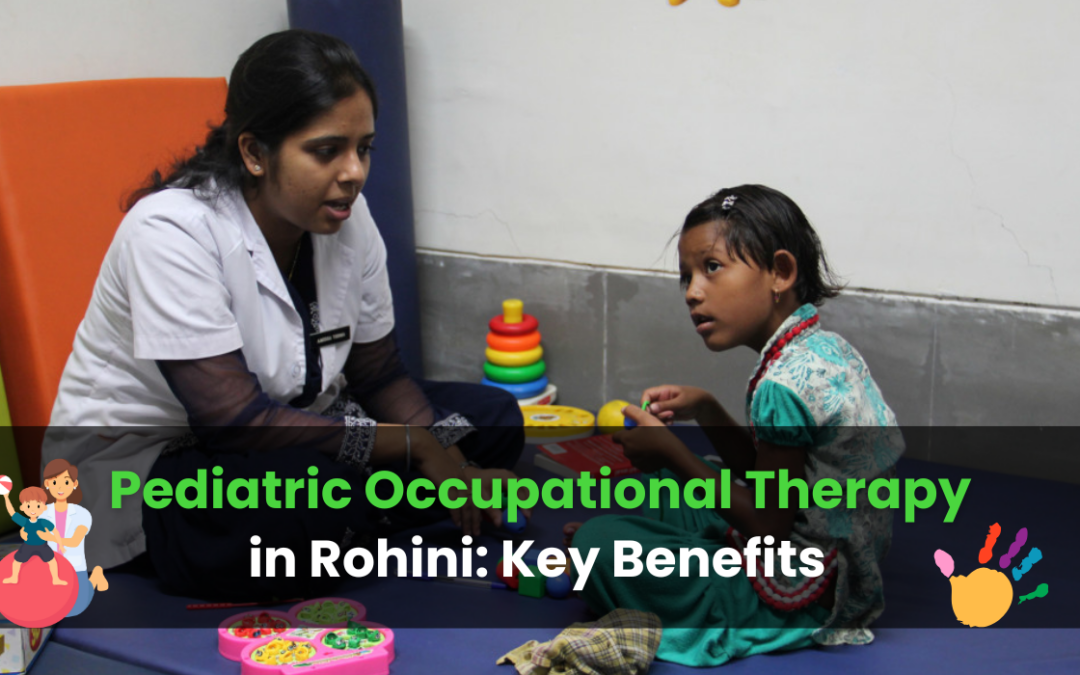
Pediatric occupational therapy plays a crucial role in supporting children with developmental challenges, sensory issues, and physical limitations. At a Children’s Rehabilitation and Therapy Center in Rohini, Delhi, occupational therapy helps children build essential life skills, improve motor functions, and develop independence in daily activities. This article explores the key benefits of Pediatric Occupational Therapy in Rohini and how it supports children’s growth and well-being.
What is Pediatric Occupational Therapy?
Pediatric occupational therapy focuses on helping children develop, recover, or improve the skills needed for daily living and learning. Children facing difficulties with motor coordination, sensory processing, or developmental delays benefit significantly from structured therapy programs. The goal is to enhance a child’s ability to engage in meaningful activities, fostering independence at home, school, and in social environments.
Occupational therapy is especially beneficial for children with conditions such as:
- Autism Spectrum Disorder (ASD)
- Attention Deficit Hyperactivity Disorder (ADHD)
- Cerebral Palsy
- Down Syndrome
- Sensory Processing Disorder (SPD)
- Developmental Delays
Each child has unique needs, and occupational therapists create customized treatment plans to address specific challenges.
Key Benefits of Pediatric Occupational Therapy
1. Enhances Fine and Gross Motor Skills
Fine and gross motor skills are essential for daily activities such as writing, eating, and playing. Occupational therapy helps children improve:
- Fine motor skills: Activities like grasping objects, using scissors, and buttoning shirts help strengthen hand muscles and coordination.
- Gross motor skills: Exercises focusing on balance, jumping, climbing, and coordination improve overall body movement and stability.
At a Habilitation & Rehabilitation Service Center, therapists use customized techniques to enhance motor development in children with physical or neurological impairments. This includes activities such as:
- Crawling and climbing exercises to build core strength
- Play-based interventions using swings and therapy balls
- Tactile exercises involving sand, clay, or textured materials
2. Supports Sensory Processing
Some children struggle with sensory processing issues, which can make everyday activities overwhelming. Pediatric occupational therapy helps children regulate their responses to sensory stimuli, improving:
- Tolerance to textures, sounds, and lights
- Ability to focus in noisy environments
- Coordination in movement-related tasks
A well-structured therapy plan at a Children’s Rehabilitation and Therapy Center in Rohini, Delhi, can help children with sensory integration challenges feel more comfortable in their surroundings. Sensory therapy techniques may include:
- Deep pressure activities like weighted blankets
- Vestibular exercises such as swinging and spinning
- Auditory integration therapy to manage noise sensitivity
3. Improves Hand-Eye Coordination
Children with developmental delays may find it difficult to coordinate their hand and eye movements. Occupational therapy includes activities like:
- Drawing and coloring
- Puzzles and block stacking
- Catching and throwing games
Improved hand-eye coordination helps children perform better in academics and daily tasks like dressing and feeding. Therapists may also introduce specialized equipment like pegboards, threading beads, and balance boards to enhance coordination.
4. Enhances Social and Communication Skills
Many children with developmental challenges struggle with social interactions and communication. Occupational therapy focuses on:
- Teaching appropriate social behaviors
- Improving verbal and non-verbal communication
- Encouraging participation in group activities
For children with speech difficulties, Speech and Language Therapy for Children is often combined with occupational therapy to improve overall communication abilities. This helps children express their needs, understand emotions, and engage in meaningful conversations. Social skill training may include:
- Role-playing exercises
- Visual cue cards for communication
- Structured peer interaction sessions
5. Encourages Independence in Daily Activities
Occupational therapy teaches children essential self-care skills, such as:
- Brushing teeth and hair
- Dressing independently
- Using utensils while eating
By improving these abilities, children gain confidence and become more self-reliant in their daily routines. Therapists use step-by-step approaches and reward systems to motivate children to develop personal care habits.
6. Helps with Emotional Regulation and Behavior Management
Some children experience frustration, anxiety, or hyperactivity due to sensory or developmental issues. Occupational therapy provides structured methods to manage emotions and behavior by:
- Teaching coping strategies
- Using visual schedules and routines
- Encouraging mindfulness and relaxation techniques
Therapists at a Habilitation & Rehabilitation Service Center create personalized plans to address emotional and behavioral challenges in children. Parents are also trained in behavioral strategies to support their child’s emotional regulation at home.
7. Prepares Children for Academic Success
Children who struggle with handwriting, attention span, or classroom activities can benefit from occupational therapy. The therapy helps in:
- Developing a proper pencil grip for writing
- Improving sitting posture and attention span
- Enhancing cognitive abilities needed for learning
A strong foundation in these skills helps children succeed in school and reduces academic stress. Teachers and therapists often collaborate to create individualized education plans (IEPs) for children requiring additional classroom support.
The Role of Parents in Pediatric Occupational Therapy
Parental involvement is crucial in ensuring the success of occupational therapy. Parents can reinforce therapy goals by:
- Practicing recommended exercises at home
- Creating a structured and supportive environment
- Encouraging self-care and independence
Therapists at a Children’s Rehabilitation and Therapy Center in Rohini, Delhi, provide parents with resources and guidance to continue therapy outside of scheduled sessions. Home-based activities such as arts and crafts, building blocks, and interactive play can complement therapy sessions.
How to Choose the Right Pediatric Occupational Therapy in Rohini
Finding the right occupational therapy service is essential for a child’s development. Consider the following when choosing a Children’s Rehabilitation and Therapy Center in Rohini, Delhi:
- Qualified and experienced therapists: Ensure the center has licensed professionals with experience in pediatric therapy.
- Customized therapy plans: Each child’s needs are different, so personalized therapy is crucial.
- Use of modern techniques: The center should use evidence-based methods to support children’s growth.
- Parent involvement: A good therapy program includes guidance for parents to continue therapy at home.
- Holistic approach: Some centers integrate physical therapy, speech therapy, and behavioral therapy for comprehensive child development.
Conclusion
Pediatric occupational therapy provides life-changing benefits for children facing developmental, sensory, or motor challenges. At a Habilitation & Rehabilitation Service Center, therapy sessions focus on improving fine motor skills, sensory processing, communication, independence, and academic abilities. If your child struggles with daily tasks or social interactions, seeking Pediatric Occupational Therapy in Rohini can significantly improve their quality of life.
By choosing a reliable Children’s Rehabilitation and Therapy Center in Rohini, Delhi, parents can ensure their child receives the best support for a brighter and more independent future. Early intervention and continuous therapy can help children reach their full potential and lead a confident, self-sufficient life.